Screen mirroring vs wireless display
Screen mirroring with a local Apache-2.0 client differs from OS wireless display: you get USB control and a named zip instead of a passive cast session.
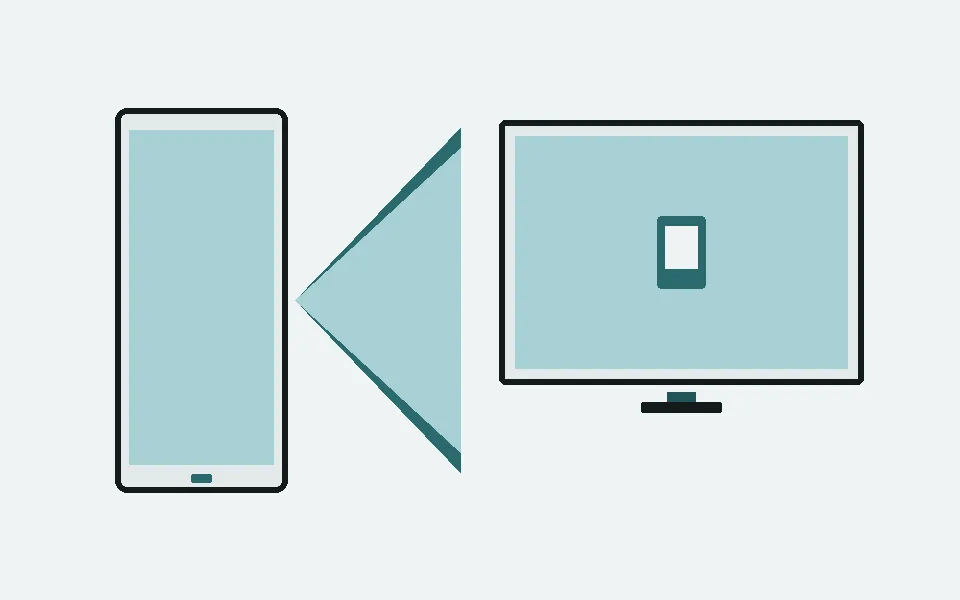
OS wireless display and Miracast-style casts show content on another screen. Local screen mirroring with scrcpy shows the Android device in a controllable desktop window over USB or TCP/IP with keyboard and mouse.
Choose wireless display when you only need a passive TV cast. Choose the Apache-2.0 zip when you typed screen mirroring and want adb-backed control without a commercial seat.
Comparison snapshot
| Option | Open source | Control | Best when |
|---|---|---|---|
| scrcpy | Yes Apache-2.0 | Keyboard/mouse | USB phone-to-PC desks |
| Wireless display | No | Display-first | Passive TV casts |
| Phone Link | No | Windows phone features | Microsoft ecosystem habits |
| Paid mirror suites | No | Varies | Commercial support seats |
Honest tradeoffs
scrcpy needs USB debugging and adb. Wireless display needs compatible hardware and OS sessions. Neither path is a Softonic wrapper. Prefer Releases names when the binary matters for screen mirroring.
Switch habits: switch from Phone Link habits. Home: screen mirroring.
Desk checklist
Write the Releases URL, the exact archive name, and the package id you trust on the machine ticket. That boring note saves a future reimage when someone else hunts for screen mirroring downloads under pressure.
Keep cables labeled when a lab shares multiple Android devices. Authorize prompts are easy to miss on locked screens, and a second mystery installer will not fix a denied debugging dialog.
Shared lab notes
Lab images should pin Genymobile/scrcpy as the only download host for this client. Students who arrive with Softonic bookmarks need a clear redirect to Releases before the first cable session for screen mirroring.
Travel kits benefit from a pre-extracted Windows folder on a USB drive only after one local proof on a known PC. Copy the whole folder, not a lone scrcpy.exe pulled out of the zip.
Update rhythm
When a new tag appears, re-check which OS archives still ship. Prefer the same door you documented: zip, winget, brew, or tarball. Mixing doors without notes creates duplicate PATH entries for screen mirroring desks.
Uninstall habits differ by door. Zip folders are deleted. Winget and brew remove their packages. Record the door so teardown matches install. Guide: update uninstall.
Related reading
Install windows: Windows. macOS: macOS. Linux: Linux. Zip extract: zip extract. Safety: is it safe. Guides hub: guides.
First hour after install stays practical: one authorized phone, one mirrored frame, one documented update door. That is enough screen mirroring progress for most desks before wireless TCP/IP or recording flags enter the conversation.
Why the job phrase stays first
People typed screen mirroring because they want the phone on a computer. File names and package ids still matter, and they belong in commands and release tables. Titles and H1s keep the job phrase so searchers land on the install path they meant.
Cast Quill publishes this independent install guide. Upstream development stays on Genymobile/scrcpy. When asset names change on a future tag, re-verify against Releases before you rewrite lab tickets.
Everyday limits for this topic
This page stays focused within the wider screen mirroring cluster. It does not replace the home pillar, and it does not sell commercial seats. Off-site project links open in a new tab with noopener.
If a colleague forwards a random best-download page, compare the filename to scrcpy-win64 zip or the matching tarball on the current tag. Filename mismatch is enough reason to stop and reopen GitHub Releases for screen mirroring.
Audio, camera mirroring, OTG mode, and V4L2 webcam features exist in upstream docs for power users. Prove basic screen mirroring first so those options have a healthy baseline. Recording remains optional until the first frame is trustworthy on the desk you manage.
Family PCs should keep one extract path and ban mystery shortcuts from Downloads. Contractors should receive a machine they control plus a phone they can authorize. Classroom images should re-prove one frame after every reimage before calling the station ready for screen mirroring demos.
Classroom re-proof
After every lab reimage, prove one short screen mirroring frame before the demo starts. That habit catches vanished portable folders and Softonic shortcuts that reappear from old bookmark exports on shared PCs.
Document whether the station uses zip extract, winget Genymobile.scrcpy, or another verified door so the next image build stays consistent across the room.
Back to the pillar: screen mirroring.